
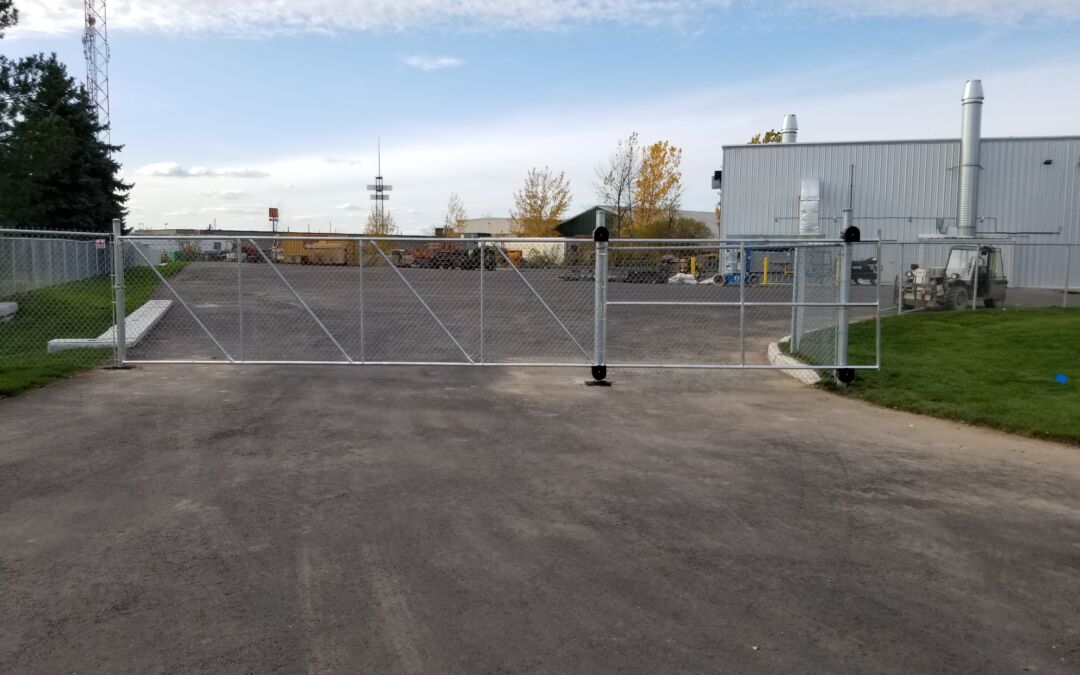
Chain link fencing is considered one of the most practical choices for property owners across Ontario, though more questions than most people expect are raised by the installation process. As it turns out, the concerns that keep homeowners and business owners awake at night often center around durability, maintenance requirements, and long-term value rather than just upfront costs. Galvanized steel posts and mesh panels that can be customized for various heights and gauges are typically used for these fence installations. The decision usually comes down to balancing immediate budget constraints with long-term property goals; this makes sense when you consider how many variables affect the final outcome.
Chain link fences usually cost between $30-45 per linear foot installed, depending on height and gauge; they last 15-20 years with minimal maintenance and provide excellent security for residential and commercial properties in Burlington and Hamilton.
Fast Facts:
- Chain link fences typically last 15-20 years with proper installation
- Galvanized coating prevents rust for 10+ years in Ontario weather
- Available in heights from 3-12 feet for different security needs
- Maintenance requires only annual cleaning and occasional post tightening
FAQ:
Q: How long does chain link fence installation take?
Most residential installations are completed in 1-2 days. Soil conditions and property size affect the timeline. Commercial projects might take longer. That still surprises people.
Q – What’s the difference between galvanized and vinyl-coated chain link?
Look, basic rust protection through zinc coating is offered by galvanized options. Color options and extra durability are added by vinyl-coated versions. Both work well in Ontario’s climate.
Q: Can chain link fences provide privacy?
Fair point. Security but limited privacy is offered by standard chain link. Privacy slats can be added to block visibility. This approach over solid fencing is preferred by some people.
Q: How deep should chain link fence posts be buried?
One-third of their above-ground height is typically how deep posts are buried. Posts buried 2 feet deep are needed for a 6-foot fence. Frost line considerations matter in Burlington and Hamilton.
Understanding Chain Link Fence Basics
Woven steel wire mesh attached to metal posts is what chain link fencing consists of. The diamond pattern created when wires interlock at specific angles is where the mesh gets its strength. 9-gauge wire is used by most residential applications, while heavier 6-gauge material is often required by commercial properties. Posts are usually spaced 6-10 feet apart, depending on the fence height and local wind conditions. From what we’ve seen in Burlington and Hamilton, I suppose installation methods are affected by soil type more than most property owners realize.
Installation Process and Timeline
Marking utility lines and obtaining permits where required is how professional installation begins. Concrete footings that extend below the frost line are where posts are set, which runs about 4 feet deep in southern Ontario. Tension bands and tie wires are used to attach the mesh, creating a secure barrier that can withstand seasonal ground movement. Most residential projects wrap up within two days; commercial installations might stretch longer, though. Winter months occasionally see weather delays happen.
Cost Factors and Budget Planning
The final price of chain link installation is influenced by several variables. Gate additions, corner posts, and terrain challenges add to the base price. 15-20% extra for unexpected site conditions is often budgeted by property managers in Mississauga and Oakville. Transparent pricing that covers all standard installation requirements upfront is included in the King Fence Promise.
Maintenance Requirements and Longevity
Minimal ongoing care compared to wood or vinyl alternatives is required by chain link fences. Accumulated dirt and debris are removed by annual cleaning with soap and water. Galvanized coatings protect against rust for 10-15 years under normal conditions. Post tightening might be needed after severe weather events, but basic tools can handle this in just a few minutes. Entire fence runs don’t need to be replaced when damaged sections can be repaired, which keeps long-term costs manageable.
Security and Privacy Considerations
Excellent perimeter security while maintaining visibility is provided by standard chain link. Better deterrence against climbing attempts than solid barriers is offered by the mesh design in many cases. Privacy slats, available in various colors, can be woven through the mesh to block sight lines. Chain link with landscaping is combined by some Burlington homeowners to create attractive property boundaries. Barbed wire or privacy screening for enhanced security is often included in commercial applications.
Choosing the Right Specifications
Intended use and budget constraints are what gauge selection depends on. 9-gauge wire is typically used by residential properties, which balances cost and durability effectively. Heavier 6-gauge construction that withstands higher impact forces benefits commercial and industrial sites. Height options range from 3-12 feet; 6 feet being most common for residential applications. The fence gauge should be matched by corner and gate hardware for consistent performance over time. Interesting how that works.
Weather Resistance in Ontario Climate
Ontario’s seasonal extremes are handled quite well by chain link fencing. Moisture and temperature fluctuations that affect other materials are resisted by galvanized coatings. Structural issues are rarely caused by snow loading, though individual mesh sections might be stressed temporarily by accumulated ice. Posts can be shifted slightly by ground frost, but this concern is minimized by proper installation techniques. Any needed adjustments before they become larger problems are helped by regular inspections after severe weather.
Working with Professional Installers
The difference between a fence that lasts decades and one that requires frequent repairs is made by proper installation. Local soil conditions, permit requirements, and building codes specific to Burlington, Hamilton, and surrounding areas are understood by professional contractors. Appropriate insurance and warranty coverage that protects your investment is carried by them. Fair pricing is helped by getting multiple quotes, but the best value isn’t always the lowest bid. When you’re ready to move forward with your chain link fence project, sometimes it’s best to visit our website to discuss your specific needs and get a detailed estimate.
Recent Comments