
BLOG
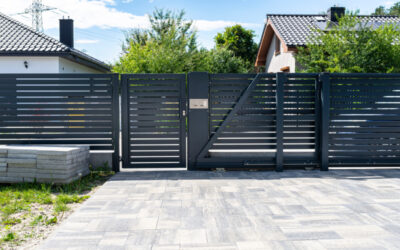
Is My Neighbour Required to Share Fence Costs in Ontario?
Fence laws in Ontario are misunderstood by many homeowners who believe neighbours must automatically split costs. As it turns out, rural properties are the only ones covered by the Line Fences Act, which leaves most suburban homeowners in Burlington and Hamilton without legal recourse for cost-sharing. Municipal bylaws and neighbour agreements typically handle urban fence disputes rather than provincial legislation. Whoever wants the fence often bears the responsibility, though boundary line ownership can complicate matters. This reality is discovered by many homeowners only after tensions have already been developed with their neighbours.
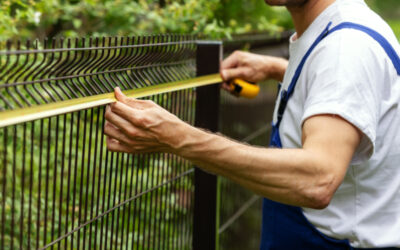
Fence Permits in Burlington, Oakville, Mississauga & Hamilton
Fence building permits are handled differently across Burlington, Oakville, Mississauga, Hamilton, and Grimsby. Different height restrictions, setback requirements, and application processes must be followed by homeowners in each municipality. As it turns out, permits are typically not required for most residential fences under 6 feet, though stricter regulations are faced by commercial properties and corner lots. Each city’s building department usually handles the application process; however, processing times and fees differ considerably between locations. Property line disputes can complicate even simple fence installations, which catches many homeowners off guard.
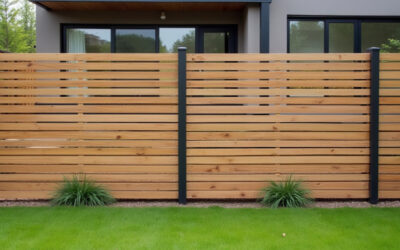
Fence Cost Breakdown Ontario: Materials, Labour & Permits Guide
In Ontario, fence installation costs are typically set between $25 to $85 per linear foot; material choice drives most variation, though. Wood fencing usually starts around $30 per foot, while vinyl can reach $60 or more. As it turns out, 40-60% of total project costs are often accounted for by labour, depending on soil conditions and property access. Permits get required in most Ontario municipalities for fences over 6 feet, adding $50-200 to budgets. Many homeowners don’t initially consider the factors that shape the final number.
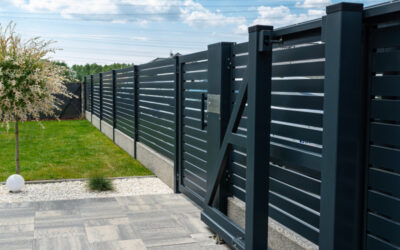
Top Fence Styles for Modern Homes in 2026 | King Fence
Fence design trends for 2026 are being shaped by styles that balance modern aesthetics with practical functionality. As it turns out, materials that require minimal upkeep are increasingly being prioritized by homeowners while still providing the security and privacy they need. Sustainability concerns, neighborhood regulations, and long-term durability expectations are influencing popular choices. Clean lines are being combined with natural textures in the most requested styles, though preferences are varied significantly by property type and local climate conditions.
Best Fence Types for Privacy vs Security: Burlington Guide
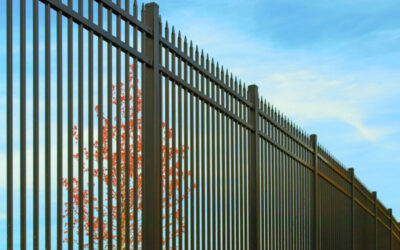
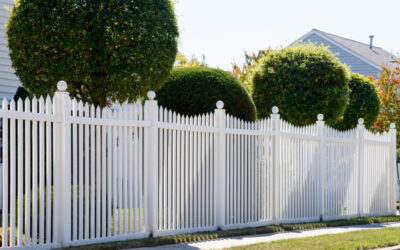
What each material actually delivers often determines the choice between privacy and security fencing. Sightlines get blocked excellently by wood fences, though they can be scaled with relative ease; meanwhile, superior security is provided by metal options like aluminum or steel, but visual screening remains limited. As it turns out, initial priorities are discovered to shift by many Burlington homeowners once the options are seen in person. Vinyl fencing has been positioned as a middle-ground solution, where decent privacy gets offered alongside moderate security benefits. Factors like maintenance requirements, local weather patterns, and neighborhood aesthetics usually influence the decision. That balance between function and form keeps evolving; new materials continue entering the market.
Best Family & Pet-Safe Fencing Options in Southern Ontario
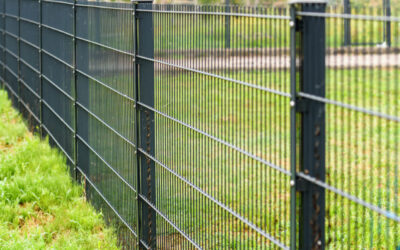
The right fence choice gets complicated when children and pets are involved. Safety, durability, and aesthetics must all be balanced carefully. In Southern Ontario’s climate, certain materials are favored over others, as it turns out. Families have increasingly embraced vinyl fencing because it’s non-toxic and easy to clean, while cedar remains a classic choice despite requiring more maintenance. Chain link gets overlooked by many homeowners; it offers excellent visibility for supervising kids and pets, though. Budget, maintenance preferences, and daily usage patterns often determine the final decision.
Affordable Fencing for Large GTA Properties: Budget & Security Tips
A common challenge is faced by large property owners across the GTA when selecting fencing: how to cover extensive perimeters without breaking the budget. As it turns out, the smartest choice for sprawling lots in Burlington, Hamilton, or Mississauga isn’t always the most expensive materials. Cost is often balanced with functionality by experienced contractors through smart material combinations. Understanding which sections need premium materials for security becomes key; budget-friendly options can be used in other areas. That approach usually makes the difference between a project that works and one that drains your wallet.
Best Commercial Fencing Solutions Burlington Oakville Mississauga
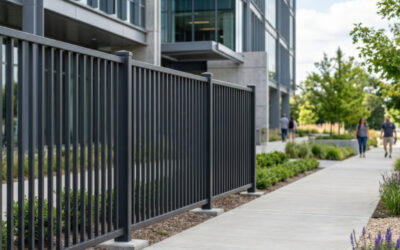
Unique fencing challenges are faced by commercial properties across Burlington, Oakville, and Mississauga that residential solutions simply can’t address. As it turns out, thousands can be cost to businesses in repairs, security issues, and compliance headaches within just a few years when the wrong fence choice is made. Professional-grade materials like aluminum, steel, and commercial vinyl are being installed at record rates; chain-link still dominates industrial applications despite newer alternatives gaining ground. The decision usually comes down to balancing upfront costs against long-term durability, though maintenance expenses are often discovered by many property managers to exceed the initial installation investment.
Fence Cost Comparison Guide: Chain Link vs Wood vs Vinyl Prices
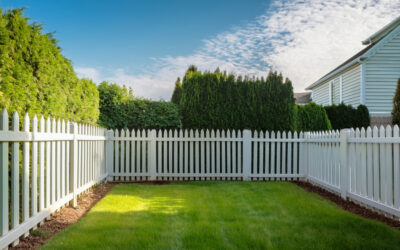
Fence pricing is affected dramatically by material choices, with chain link typically running $8-15 per linear foot while premium vinyl can reach $35-50 per foot. As it turns out, installation costs are often matched or exceeded by material expenses, particularly for complex terrain or custom designs. Labor rates in the Burlington and Hamilton areas have been influenced by recent demand for residential fence installation projects. The total project cost gets shaped by factors that aren’t always obvious upfront.