
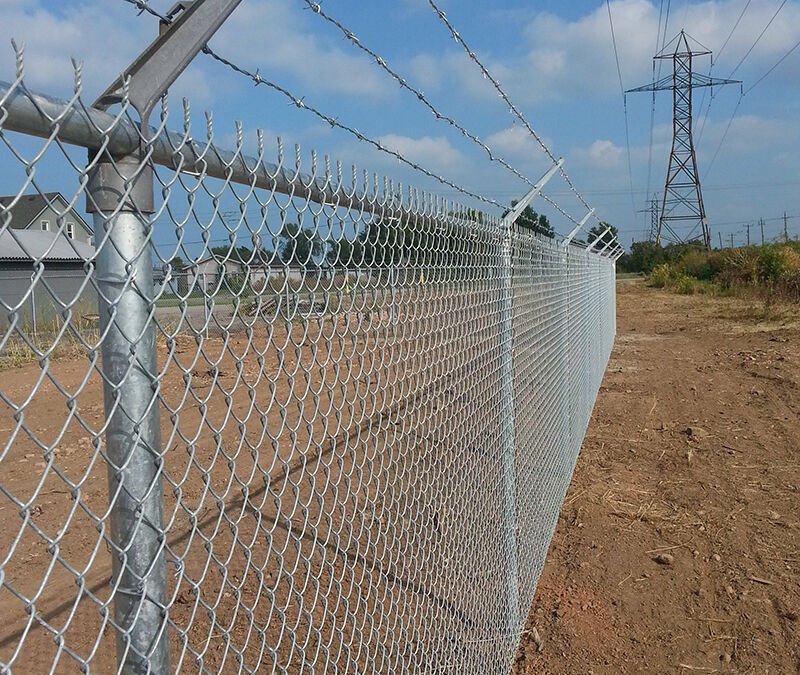
Two distinct approaches to property security are represented by chain link and aluminum fencing, each with unique durability characteristics. Chain link fences typically last 15-20 years with minimal maintenance; aluminum can stretch beyond 30 years when properly installed. As it turns out, the maintenance requirements differ significantly between these materials. Affordability and straightforward upkeep often drive chain link selection, whereas corrosion resistance and aesthetic appeal make aluminum fencing the preferred choice. Budget, local climate conditions, and long-term property goals usually influence the decision between these options. That said, extensive testing has been conducted on both materials across Ontario’s varied weather patterns.
Basic maintenance allows chain link fencing to last 15-20 years usually, while aluminum fencing often exceeds 30 years due to superior corrosion resistance. Occasional rust treatment and tension adjustments are required by chain link; only periodic cleaning and hardware checks are needed for aluminum. Cost-wise, lower upfront investment is offered by chain link, but better long-term value is provided by aluminum through reduced maintenance needs.
Fast Facts:
- Chain link fences cost roughly 40-60% less initially than aluminum options
- 25+ years in Ontario’s climate can be withstood by aluminum fencing without significant deterioration
- Rust treatment is required by chain link every 3-5 years in high-moisture areas
- 10-15 years are added to either fence type’s lifespan by professional installation
- Property value is maintained better by aluminum fencing due to aesthetic durability
FAQs:
Q: Which fence type handles Ontario winters better?
Better performance in freeze-thaw cycles is delivered by aluminum fencing because it doesn’t rust. Weak spots can be developed by chain link where galvanization wears thin. Chain link becomes more brittle over time when exposed to cold temperatures.
Q – How often does each fence need maintenance?
Look, attention is needed by chain link every few years for rust spots and sagging. A good wash and hardware check annually are mostly what aluminum needs. Pretty straightforward difference.
Q: What’s the real cost difference over 20 years?
Fair point to consider total ownership costs. Chain link starts cheaper but maintenance adds up over time. More upfront cost is required by aluminum but consistency is maintained. That still surprises people.
Understanding Material Composition
Galvanized steel wire woven into diamond patterns is used to construct chain link fencing. Steel is coated with zinc by the galvanization process to prevent rust, though this protection gradually wears away. Extruded aluminum posts and panels that naturally resist corrosion are used in aluminum fencing. Both materials are manufactured to specific gauge standards; however, structural integrity is maintained longer by aluminum. From what we’ve seen in Burlington and Hamilton installations, I suppose immediate budget versus long-term planning often determines the material choice.
Durability in Ontario’s Climate
Fencing materials are tested year-round by Ontario’s weather patterns. Adequate performance is shown by chain link but wear appears after 10-15 years, especially where galvanization has been compromised. Freeze-thaw cycles are handled better by aluminum fencing because it doesn’t expand and contract as dramatically as steel. Either material is rarely damaged by snow load when properly installed. However, chain link connections can be stressed by ice buildup over time. A significant difference in how either material weathers Ontario’s seasons is made by professional installation.
Maintenance Requirements Compared
Checking for rust spots, tightening loose sections, and occasionally replacing damaged sections are involved in chain link maintenance. Every 3-5 years depending on exposure, rust treatment should be applied. Minimal upkeep beyond annual cleaning and hardware inspection is required by aluminum fencing. Lubrication is needed by gate hinges regardless of material choice. Plus, rust prevention treatments aren’t required by aluminum, which saves both time and ongoing costs. For this reason, aluminum is preferred by most property managers in Mississauga and Oakville.
Cost Analysis Over Time
Chain link is favored significantly by initial installation costs. 40-60% less for chain link compared to aluminum is what a typical residential fence installation in Burlington runs. But maintenance costs accumulate over time with chain link fencing; rust treatment, section replacement, and tension adjustments add up. Lower maintenance needs over 20+ years often offset aluminum’s higher upfront cost. The math usually works out in aluminum’s favor for long-term property ownership, to be fair.
Aesthetic Considerations
Basic security without much visual appeal is provided by chain link. It’s functional but property aesthetics aren’t enhanced significantly. More design options are offered by aluminum fencing and its appearance is maintained longer. Paint doesn’t chip or fade as readily on aluminum surfaces; property values tend to benefit more from aluminum installations, particularly in established neighborhoods. Yet chain link’s industrial appearance is actually preferred by some commercial applications. Funny thing, really.
Installation and Professional Considerations
Proper installation is required by both materials for optimal performance. Setting posts, stretching fabric, and securing tension bands correctly are involved in chain link installation. Precise post alignment and secure panel connections are focused on in aluminum installation. Either material’s lifespan is reduced substantially by poor installation. That’s where professional expertise becomes valuable; local soil conditions and weather patterns are understood by King Fence’s installation teams for how each material performs.
Making Your Decision
Budget timing and property goals often determine the choice between chain link and aluminum. Temporary installations or budget-conscious projects work well with chain link. Permanent installations where maintenance convenience matters make sense for aluminum. Your property’s exposure to moisture, salt, and other corrosive elements should be considered. Also think about how long the property will be maintained by you. If these options are being weighed for your Burlington or Hamilton property, visit our website to discuss which solution fits your specific needs.
Recent Comments