
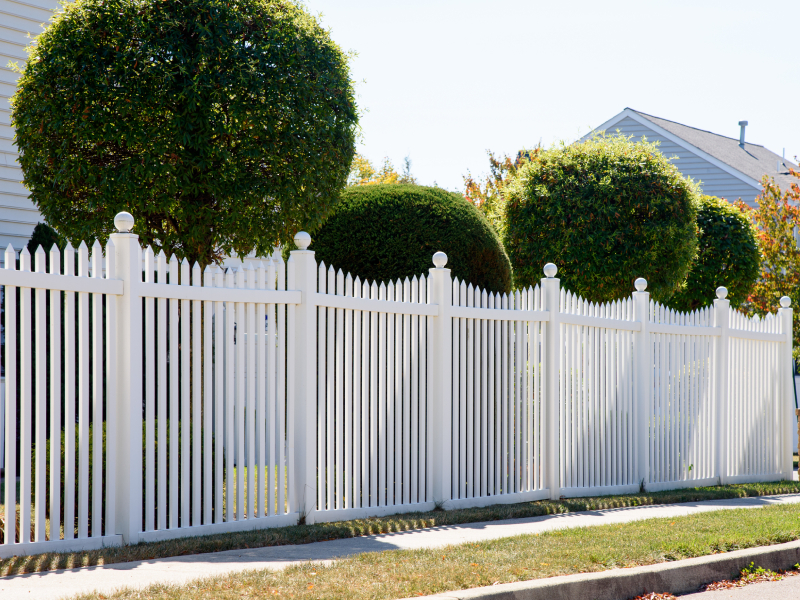
Large property fencing in the GTA typically costs $15-45 per linear foot, depending on materials and terrain. The best value for extensive perimeters is usually offered by chain link with privacy slats; however, combining materials often works better. Premium vinyl or wood should be used for visible front sections, then galvanized chain link can be switched to for back boundaries.
Fast Facts:
- 73% more area per dollar is covered by chain link fencing than vinyl alternatives
- Total project costs are reduced by 25-40% through mixed material installations on properties over 2 acres
- Fence height and property zoning determine permit requirements that vary between Burlington and Hamilton
- 15-20 years longer life is provided by galvanized steel posts than standard options in Ontario weather
- 80% of common DIY fencing failures are prevented by professional installation
Understanding Your Large Property Fencing Needs
Everything changes when property size is considered during fence installation planning. Premium cedar might be used throughout a half-acre lot in Burlington, but different thinking is required by a 10-acre spread in Hamilton. Zones are focused on by smart property owners rather than uniform coverage. The attractive materials that boost curb appeal are received by front areas. Functional chain link or agricultural fencing often works fine for side and back boundaries; the math becomes pretty clear once priorities are mapped out.
Chain Link: The Workhorse Option
Too quickly is chain link dismissed by homeowners who picture old schoolyard fencing. Cleaner looks are provided by modern galvanized options and decades of durability are offered in Ontario weather. Plus, basic chain link is transformed into attractive boundary fencing by privacy slats. 800 feet of chain link with green slats was recently installed by a Burlington contractor for under $4,000. Nearly $12,000 would have been cost by the same coverage in vinyl. Premium materials aren’t needed by every section, I suppose.
Strategic Material Combinations
Here’s where experience pays off. Cedar or vinyl should be used for the first 100-200 feet visible from the street; chain link can be switched to for side boundaries and back areas. Properties backing onto fields or conservation areas work well with agricultural wire. A large Oakville property used this approach last year, with total costs cut by $8,000 while excellent curb appeal was maintained. Planning transitions at natural break points becomes the key.
Wood Fencing: When Budget Allows
Good reasons exist for cedar’s popularity across the GTA. Ontario winters are handled well by cedar and graceful aging occurs without staining. Less cost is provided by pressure-treated pine but more maintenance is required over time. Cedar is preferred by a Hamilton property manager for client properties because attractive appearance is maintained longer. 15-20 years of reliable performance spreads the upfront cost. Still, smaller sections make more sense for wood than entire perimeters.
Vinyl: Low Maintenance, Higher Cost
Painting and staining are eliminated forever by vinyl fencing. Busy property owners who want hassle-free boundaries find this appealing. Higher initial costs are run by installation, but minimal maintenance is stayed for decades. Vinyl was chosen by a Mississauga homeowner with 3 acres for front and side sections, then chain link was used for the back half-acre. Money was saved by the combination while attractive visible areas were kept. High-traffic areas work especially well with vinyl.
Installation Considerations for Large Properties
More significance is held by ground conditions on extensive properties. Different post-setting techniques are required by rocky soil in parts of Burlington than sandy areas near Lake Ontario. Their approach is adjusted by professional contractors based on terrain surveys; local permit requirements are also understood, which vary between municipalities. Different rules might be faced by a Grimsby installation than similar work in Hamilton. Costly delays are prevented by getting permits right from the start.
Making the Final Decision
Both materials and installation complexity should be accounted for by budget planning. Grade changes, utilities, or landscaping features are often had by large properties that affect costs. Immediate budget constraints are balanced with long-term maintenance needs by the most successful projects. Proper post spacing and gate alignment across extensive runs are ensured by professional installation. When you’re ready to explore options for your property, detailed estimates and material recommendations can be provided by King Fence. Visit our website to start planning your large property fencing project.
Mini-FAQ:
Q: What’s the cheapest way to fence a large property? The most cost-effective option for extensive coverage remains chain link. Quick installation is provided and minimal maintenance is required over time.
Q: Can I mix different fence materials on one property? Look, smart planning is actually what mixing materials represents. Attractive options like vinyl or cedar should be used for front-facing areas, then chain link can be switched to for back boundaries. This approach is allowed by most municipalities.
Q: How much should I budget for a 5-acre property? Roughly $8,000-25,000 should be expected depending on your material choices and terrain challenges. Accurate estimates can be provided by professional contractors after site visits.
Q: Do large properties need special permits in the GTA? Fence height determines permit requirements more than property size does. 6-foot residential fencing is allowed without permits by most areas, but different rules are faced by commercial properties.
Recent Comments