
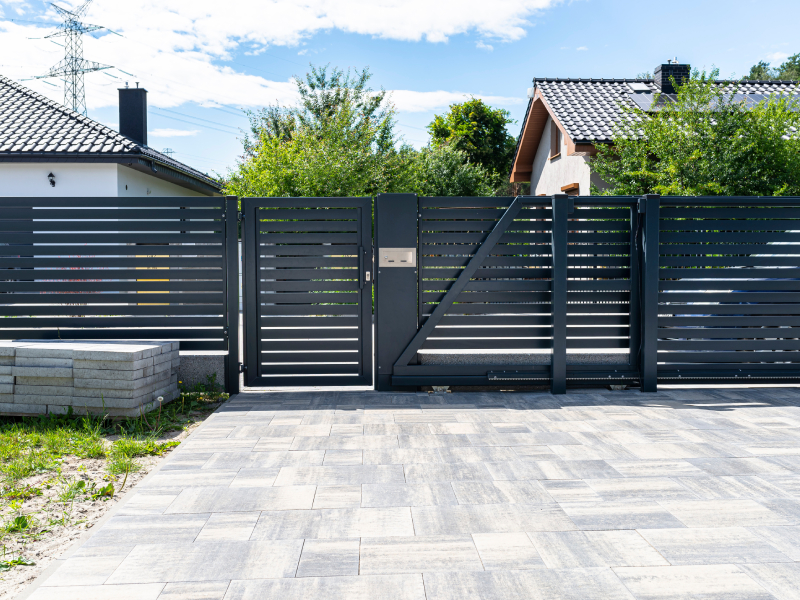
In Ontario, fence costs are usually not required to be shared by neighbours unless both properties are rural and covered under the Line Fences Act. Cost-sharing agreements must be negotiated directly by most suburban homeowners in Burlington, Hamilton, and surrounding areas; no automatic legal obligation exists for neighbours to contribute to fence expenses.
Fast Facts:
- Agricultural and rural properties are primarily covered by Ontario’s Line Fences Act, not suburban homes
- Fence height and setback requirements are focused on by municipal bylaws in Burlington and Hamilton, not cost-sharing
- Unclear property lines are involved in roughly 60% of fence disputes, according to boundary surveys
- Installation begins after most successful cost-sharing agreements are established
- $25-45 per linear foot is typically charged for privacy fence installation costs in the Hamilton area
Understanding Ontario’s Fence Cost Laws
Fence responsibilities in Ontario are governed by the Line Fences Act, but most homeowners don’t realize how narrow its application is. Agricultural properties where shared fencing serves mutual livestock containment needs were what this legislation was crafted for. This framework doesn’t cover suburban properties in Burlington, Oakville, and Hamilton in most cases.
Urban fence regulations are handled differently by municipal bylaws. Height limits, setback requirements, and approved materials are what they focus on rather than cost-sharing obligations. This was discovered by a homeowner in Mississauga when her neighbour refused to contribute to a privacy fence installation; no legal recourse existed, local authorities confirmed.
Property Line Ownership and Responsibilities
Where you can legally build is determined by boundary line surveys, but payment obligations aren’t established by them. Automatic cost-sharing requirements are assumed to be created by fences built directly on property lines by many homeowners. Under Ontario law, this assumption proves incorrect.
Full financial responsibility is typically borne by the property owner who wants the fence. Even when increased privacy or security benefits neighbours, no legal mechanism exists to compel their contribution. Disputes can be helped to avoid by professional installation by trusted contractors through ensuring proper placement and quality workmanship.
Successful Neighbour Negotiations
Better results are often yielded by approaching neighbours before installation begins than demanding payment afterward. Success has been found by some Burlington homeowners by presenting the project as a mutual benefit; property value increases and shared privacy advantages are emphasized.
Verbal understandings work less well than written agreements. Any cost-sharing arrangements, maintenance responsibilities, and future replacement plans should be documented. This lesson was learned by a Hamilton property manager when confusion was led to years later during fence repairs by a handshake deal.
Municipal Bylaws and Permit Requirements
Specific fence regulations that must be followed by homeowners regardless of cost-sharing arrangements are maintained by Burlington and Hamilton. Residential fences are typically limited to six feet by height restrictions, with additional setback requirements from sidewalks and roadways.
Fence type and municipality cause permit requirements to vary. Building permits are required by some installations, while minor construction exemptions cover others. Costly modifications later are prevented by checking local bylaws before starting. These regulations can be navigated efficiently by professional fence contractors familiar with regional requirements.
When Neighbours Refuse to Contribute
When cost-sharing requests are declined by neighbours, legal options remain limited. Relief is rarely provided by small claims court since no contractual obligation exists without prior agreement. Compromise rather than confrontation is involved in most successful resolutions.
Partial solutions like installing the fence entirely on your property should be considered, slightly inside the boundary line. Neighbour involvement is eliminated by this approach while privacy and security goals are still achieved. The slight space loss often proves worthwhile compared to ongoing disputes.
Alternative Approaches and Solutions
When direct cost-sharing fails, creative financing arrangements sometimes work. Future maintenance responsibilities instead of upfront payments are agreed to by some neighbours. Materials or labor rather than cash are contributed by others.
Costs can be spread over time while neighbour relationships are maintained through phased installation. The most critical sections should be started with and expanded gradually. Budget constraints and reluctant neighbours have been dealt with well by several Grimsby homeowners using this approach.
Getting Professional Help
The entire process from planning through installation is simplified by working with experienced fence contractors. Local regulations, property line requirements, and neighbour relations are understood by professional teams. Approaches that minimize conflicts while your privacy and security goals are achieved can often be suggested by them.
Reliable expertise is brought to Burlington area projects by King Fence, helping homeowners navigate these challenges with professional installation and trusted service. Customizable fencing solutions tailored to your specific needs and local requirements can be explored by visiting our website.
Mini-FAQ:
Q: Can I force my neighbour to pay half the fence cost? Cost-sharing in suburban Ontario cannot be compelled through any legal mechanism in most cases. Rural properties where livestock containment creates mutual benefit were what the Line Fences Act was designed for. Goodwill and negotiation are what your neighbour’s cooperation depends on rather than legal obligation.
Q – What if the fence sits exactly on our property line? Shared financial responsibility isn’t automatically created by boundary line placement. Full cost is typically borne by the property owner who initiates the project, even when both parties are benefited by the fence. Ownership can be clarified by surveys but payment disputes won’t be resolved.
Q: Do Burlington bylaws require neighbour consent for fences? Fair point. Height restrictions, setbacks, and materials are focused on by municipal bylaws rather than neighbour approval or cost-sharing. Building on your own property within bylaw parameters is generally what you’re free to do.
Recent Comments